35th anniversary gifts: coral, and what to ask first
Thirty-five years is coral - a living animal, partly protected under CITES and partly not, depending on the species. What is listed, what is not, and the version of the tradition that asks nothing of a reef.
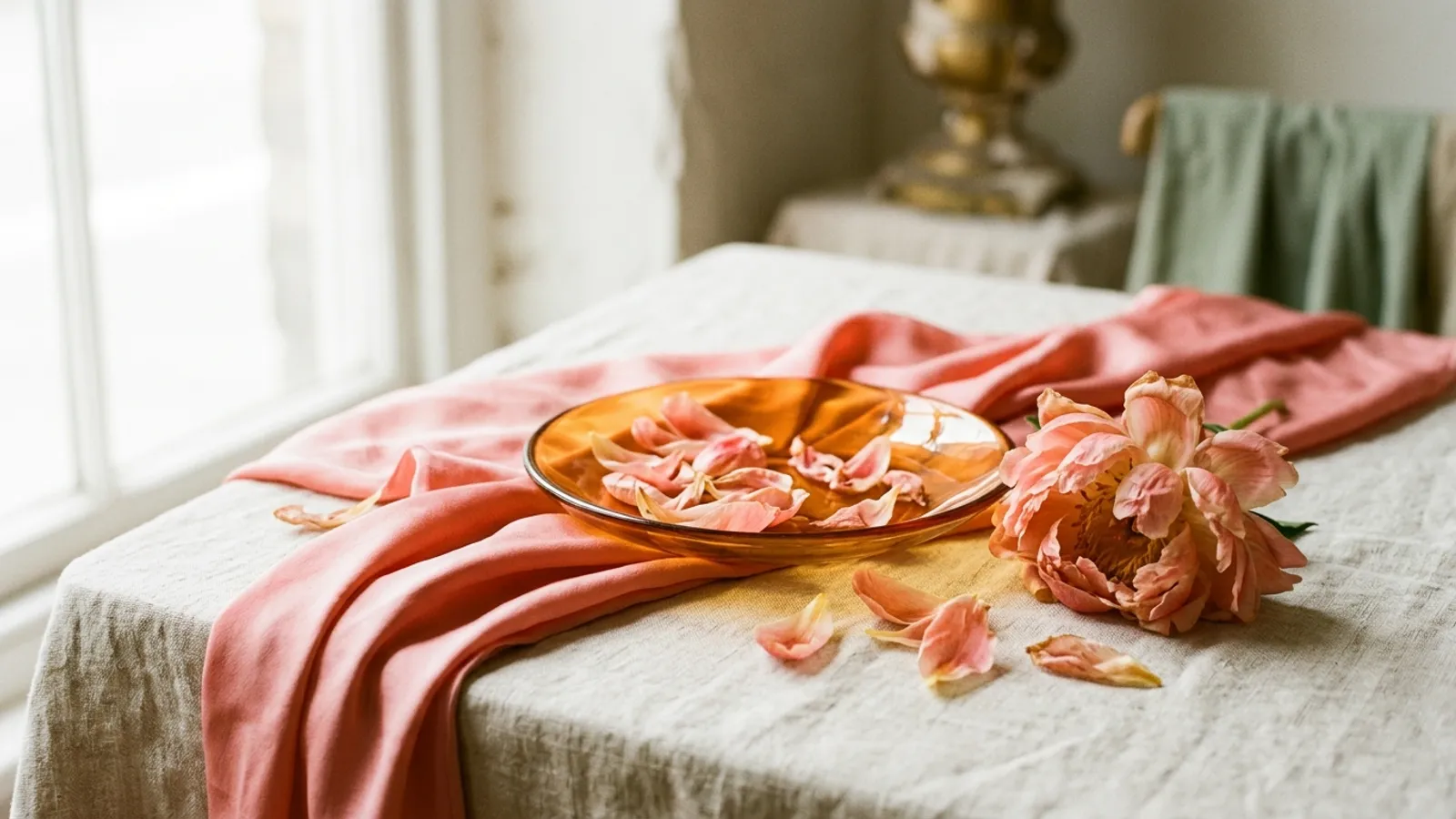
Thirty-five years is coral on the British list. It is the one anniversary where the traditional material is a living animal, some of it is internationally controlled, and which is which depends on the species - none of which the gift pages selling it tend to mention.
Coral, and a note on jade
Debrett's gives coral for the thirty-fifth. You will also see "coral and jade", or coral listed with jade as an alternative, on a good number of retail sites. Jade is not on the British list at thirty-five; it comes from elsewhere. If you want the British answer it is coral, and if you prefer jade nobody will stop you - just know which one you are following.
Some precious coral is CITES-listed. Some is not
This is the part worth knowing before you spend, and it is genuinely nuanced rather than a simple ban.
the CITES checklist of species records four precious-coral species on Appendix III, listed by China and in force since 1 July 2008:
- Corallium japonicum
- Pleurocorallium elatius
- Pleurocorallium konojoi - white coral
- Pleurocorallium secundum - angelskin or pink coral
Those are jewellery corals. Angelskin and pink coral in particular are exactly what gets sold as a coral-anniversary gift.
The Mediterranean red coral most people picture, Corallium rubrum, does not appear on those appendices. Proposals to give precious corals stronger Appendix II protection were put to CITES and rejected, in 2007 and again in 2010. So the position is genuinely split: some of the coral trade is documented and some of it is not, and the difference is the species rather than the shop.
Practically, for a buyer in Britain: ask what species it is, and where it came from. A dealer who cannot answer that about an organic gemstone is telling you something. On imports, gov.uk guidance on CITES imports and exports sets out an import-notification route, applied for through APHA, for specimens in the lower Annex C tier. We could not confirm from that page how the CITES appendices map onto those annexes - the mapping sits in the retained wildlife trade Regulation rather than the guidance - so treat the route as the thing to ask APHA about rather than a conclusion we have drawn for you.
One honest limit. We could not establish from published guidance what, if anything, applies to selling an already-imported piece within the UK - gov.uk covers the border, not the second-hand shop. If that matters to your purchase, ask the seller for the paperwork rather than taking ours or anyone's word for it.
The comparison worth making
The list has form here. At fourteen the traditional material is ivory, which you cannot legally buy in most forms - the tradition kept the name long after the trade became indefensible. Coral at thirty-five is a softer version of the same story: a material named in an era that did not ask where it came from, still sitting on the list, now partly regulated and partly not.
That is not an argument against marking the year. It is an argument for coral-coloured rather than coral, which is what most people do anyway once they think about it for a minute.
Five gift ideas for the thirty-fifth
Coral-coloured rather than coral
Warm pink-orange in glass, enamel, silk or paint. Reads exactly as intended, costs a fraction, and asks nothing of a reef.
A piece of antique coral already in the family
Reset rather than bought. The most defensible way to give real coral is to give coral that was taken from the sea decades ago and is still going.
Something in the colour, for the wall
Thirty-five years is a wall-piece anniversary rather than a trinket one, and the colour is the easiest part of this tradition to honour honestly.
Coral the plant, not the animal
Coral bells, coral peonies, a coral-flowering shrub for the garden. A pleasing sidestep, and it lasts longer than a strand.
A day rather than an object
Thirty-five years in, the objects are largely acquired. Somewhere by the sea, if you want to keep the theme.
What to avoid
- Unlabelled coral with no species and no provenance. Given four jewellery corals sit on Appendix III, "it's just coral" is not an answer.
- Assuming dyed coral is coral. A great deal of orange-dyed material sold as coral is not; ask.
Around this year: pearl at thirty and ruby at forty sit either side. The whole run is on the UK anniversary list.
Written by Craig Fearn, Printed Weddings.
Also in the milestones
Try it
Upload one photo and see the two of them in every style we paint. Free, watermarked, no sign-up, about twenty seconds.
Questions
Questions, answered
What is the 35th wedding anniversary?
+
Coral, on the British list per Debrett's. Some retail sites give “coral and jade” or offer jade as an alternative - jade is not on the British list at thirty-five, so if you want the British answer it is coral.
Is it legal to buy coral in the UK?
+
It depends on the species, which is why it is worth asking. The CITES checklist records four precious-coral species on Appendix III, listed by China since 1 July 2008 - including angelskin and pink coral, both of which are sold as jewellery. Mediterranean red coral does not appear on those appendices, and proposals for stronger Appendix II protection were rejected in 2007 and 2010.
What should I ask before buying a coral gift?
+
The species and the provenance. Given four jewellery corals are Appendix III-listed, a dealer who cannot tell you which coral it is or where it came from is telling you something. For imports there is an APHA notification route for the lower Annex C tier; we could not confirm from the gov.uk guidance how the CITES appendices map onto the annexes, so ask APHA rather than assume.
What is a good alternative to coral for a 35th anniversary?
+
Coral-coloured rather than coral - warm pink-orange in glass, enamel, silk or paint - which is what most people choose once they have thought about it. Coral the plant works too: coral bells, coral peonies, a coral-flowering shrub.